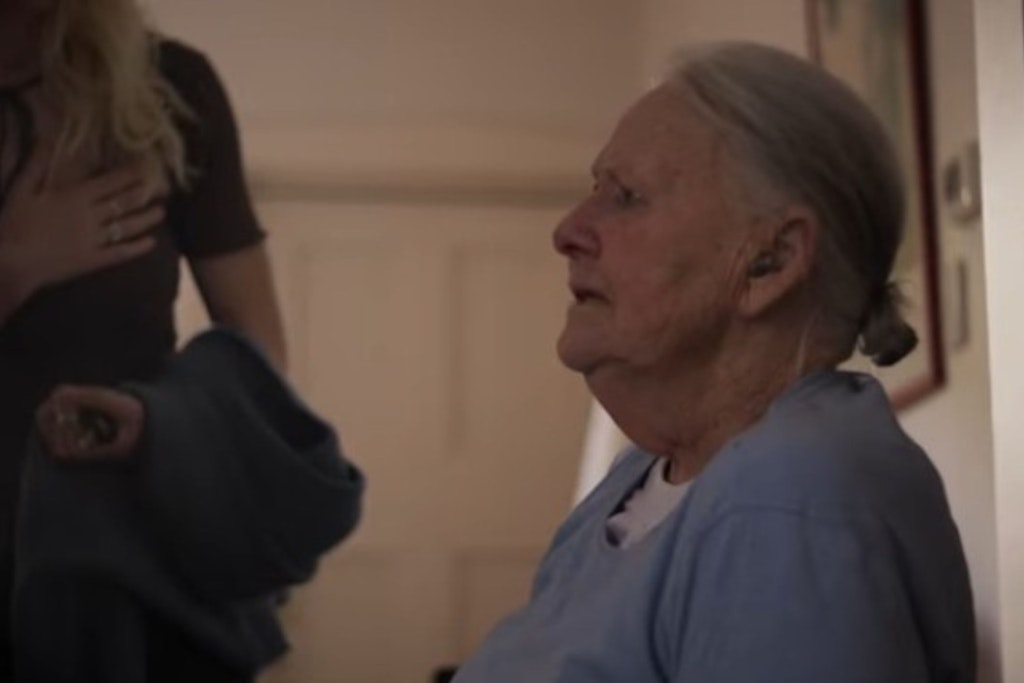
A new documentary, Careless, directed by Sue Thomson, is set to shine a critical light on Australia’s aged care system, with its world premiere scheduled for Saturday, 16 August, at the Melbourne International Film Festival (MIFF).
In a recent interview on ABC Radio Melbourne with host Jacinta Parsons, Thomson revealed the deeply personal and fiercely political motivations behind the film, which examines the systemic failures of an industry increasingly driven by profit over people.
Careless delves into the history and current state of aged care in Australia, spotlighting the consequences of privatising a sector tasked with caring for some of society’s most vulnerable.
The documentary argues that the market-driven model, where businesses prioritise financial gain, has led to widespread neglect and systemic issues, leaving many older Australians feeling abandoned by a system meant to support them. Thomson’s film combines humour, compassion, and sharp critique to expose these injustices while celebrating the resilience of those determined to age on their own terms.
The documentary is anchored by Thomson’s personal story, as she navigates caring for her 89-year-old mother, Margaret, who is fiercely committed to staying at home and avoiding “the system.”
https://www.youtube.com/watch?v=vlhBswflIko
This personal thread is interwoven with the stories of other older Australians, including 94-year-old Olivia and her daughter Jane, care navigator Hanh and her client Beverly, and Italian couple Luciana and Mario, who are determined to remain together at home. These narratives highlight the human cost of a privatised system that often strips individuals of autonomy and dignity.
In her ABC Radio interview, Thomson discussed the challenges of including her own story in the film, admitting she was initially “terrified” to expose the complexities of her relationship with her mother. “My mum and I have a complex relationship,” she told Parsons. “She’s old, she can be a bit grumpy, and to show that to the world was scary.”
Yet, this vulnerability became a strength, offering universal insights into the ageing experience. Thomson noted that the six-month editing process allowed her to view herself and her mother objectively, focusing on the broader story of ageing and care rather than personal judgement.
The film’s title, Careless, encapsulates its central thesis: while society cares about its elders, the privatised aged care system often fails them through neglect and inadequate resourcing. “We do care as a society, but we can be careless,” Thomson said, pointing to the systemic issues exacerbated by profit-driven models.
“When we’ve handed off responsibility to the market, the market is interested in making a profit… there are huge problems that are systemic in these industries.”
Thomson and her producer, Adam Farrington-Williams, faced significant hurdles in securing funding for Careless, with many dismissing the topic as unappealing. “People said, ‘We’re not interested in the ageing space. People don’t want to see a film about old people,’” Thomson recounted.
Undeterred, she infused the documentary with humour and a playful tone, including narration by children aged 10 to 12 who question why ageing is only discussed late in life. This approach not only makes the film accessible but also underscores its call for earlier, more inclusive conversations about ageing.
The documentary also critiques the broader societal attitudes that contribute to the aged care crisis. Thomson argues that the privatisation of care – paralleling issues in childcare – has led to a lack of transparency and accountability. “Governments are voted in to look after the citizens of this country,” she said, urging for systemic reform to ensure dignity and autonomy for older Australians.
As impact-driven filmmakers, Thomson and Farrington-Williams hope Careless will spark change beyond the screen. Their ambitious goal is to bring the film into schools, encouraging young people to engage with ageing as a universal experience. “The kids we worked with were incredible,” Thomson said.
“They were saying, ‘Why don’t we talk about ageing earlier?’” By fostering these discussions with younger generations, the filmmakers aim to challenge deeply held cultural attitudes and promote a more thoughtful approach to care.
Careless is both a heartfelt tribute to the humanity of older Australians and a bold critique of a system that too often puts profits before people. With its blend of personal storytelling, wry humour, and incisive commentary, the documentary promises to be a powerful catalyst for reflection and reform. It will premiere at MIFF on 16 August at 4 pm at ACMI, with additional screenings to follow.
For more details on Careless and its screening schedule, visit the Melbourne International Film Festival website.


