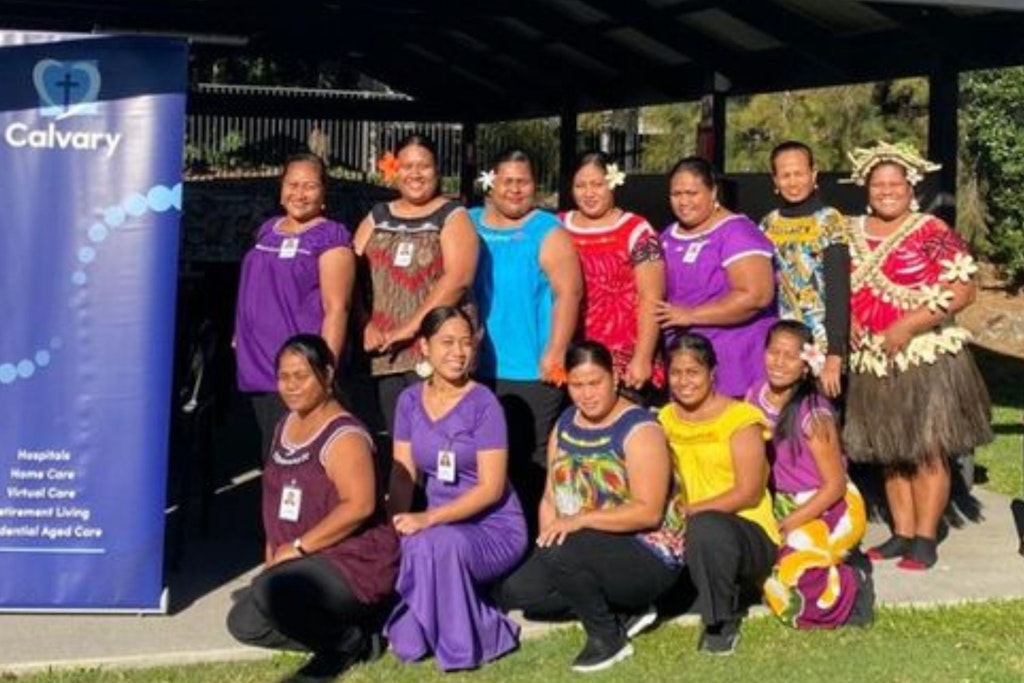
Calvary Health Care has tapped into the Pacific Australia Labour Mobility (PALM) Scheme for the first time as it looks to strengthen its regional workforces with 26 recruits training to become personal care workers.
Calvary’s National Director Mission and People, Mark Green, said it provides a long-term solution for Calvary’s aged care personal care workers in rural and regional locations.
“In seeking a creative way to respond to the international shortage of healthcare workers, we determined that the scheme best aligned with our values and mission,” he told Hello Leaders.
Through the Government’s PALM Scheme, aged care providers can access qualified, long-term care workers from across the Pacific and Timor-Leste. Initially, the PALM Scheme allowed employers in agriculture, hospitality and tourism sectors to bring in international workers, before expanding into aged care in recent years.
The program is also designed to help alleviate workforce pressures in Australia and assist in the economic development of nine Pacific Island countries and Timor-Leste.
“Our PALM workers are employed on four-year contracts and in that time Calvary is committed to ensuring they receive quality training to provide them with skills and experience in Australia,” Mr Green added.
“In addition, our goal is to return workers to the Pacific with a compendium of their individual achievements and the ability to participate in the health sector in their country.”
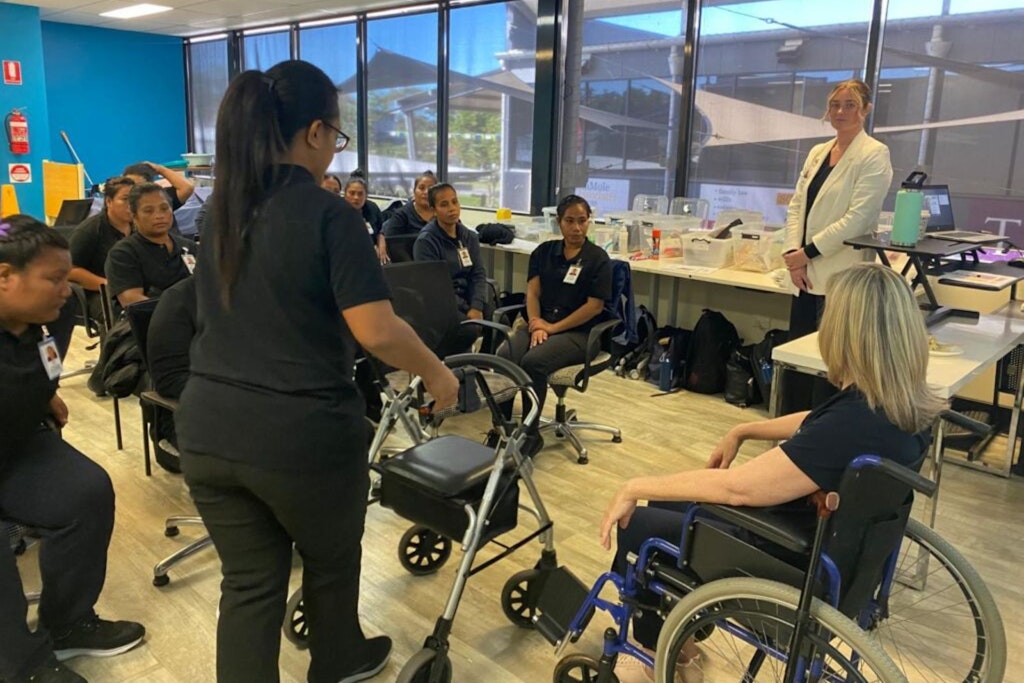
Calvary’s 26-strong cohort, all from Kiribati, will undertake four weeks of face-to-face training at specialist organisation HealthX before being assigned to one of six regional aged care sites. Locations include Albury and Muswellbrook in New South Wales, Lakes Entrance and Mirridong in Victoria, Noosa in Queensland and Launceston in Tasmania.
Their initial training will provide a foundation in aged care principles, practices and the needs of older people, covering personal care, and the emotional and physical aspects of ageing.
A four-week orientation will then help each worker secure their Certificate III accreditation by August.
Mr Green said the HealthX training offers a great opportunity for all workers to meet in one location and bond before moving on to their longer-term homes in regional Australia.
“HealthX is the agency directly responsible for communicating with the PALM workforce until they commence at our sites in mid-July. However, it was a wonderful opportunity for members of the Calvary team to meet them recently during their training in Brisbane,” he said.
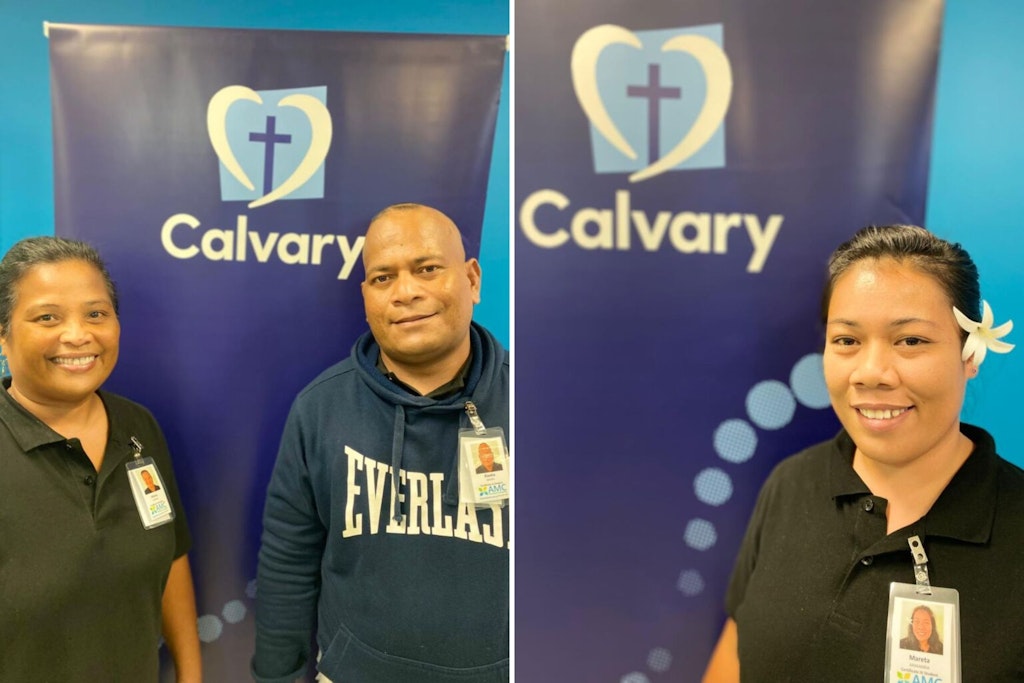
“They have also been instrumental in assisting Calvary to identify the most suitable placement for each worker to support their individual circumstances and fulfil our workforce needs.”
As part of their induction to Calvary, each worker will receive a welcome pack while each residential care home develops a personalised approach to helping the new staff settle into the communities.
“Calvary is very excited to welcome our new members of staff and we will provide support as they settle into their new communities and take advantage of this new experience,” Mr Green added.


