
Embarking on the journey of setting up a commercial laundry for aged care facilities is a significant undertaking that requires careful planning and attention to detail. In this comprehensive guide, we will walk you through the essential steps involved in transforming a concept into a fully functional and efficient laundry facility, ensuring the seamless flow from the first email right through to the handover.
Step 1: Needs, assessment and planning
The first crucial step in establishing an aged care laundry is conducting a thorough needs assessment. Understand the specific requirements of the facility, considering factors such as the number of residents, types of textiles to be laundered (bedding, towels, personal clothing), and any specialised care needs. This assessment will form the basis for designing a laundry system tailored to meet the unique demands of aged care.
Once the needs are identified, move on to meticulous planning. Create a detailed blueprint that outlines the layout of the laundry, ensuring optimal workflow and efficiency. Allocate space for sorting, washing, drying, folding, and storage.
Step 2: Compliance and regulations
One of the biggest steps when designing a laundry is that it ensures compliance with the AS4146 Australian Laundry Standards. These standards are paramount for aged care facilities which operate in a highly regulated industry.

AS4146 sets out comprehensive guidelines covering various aspects of laundry operations, from facility design to equipment selection that will achieve disinfection. These standards are designed to uphold hygiene, safety, and environmental considerations within laundry facilities, aligning with Australia’s commitment to quality and sustainability. Facilities must meticulously adhere to these regulations to guarantee the health and well-being of their residents and staff.
Step 3: Equipment selection and installation
Investing in high-quality laundry equipment is essential for delivering reliable service. Select industrial-grade washers, dryers and trolley products that can handle the volume and types of textiles required for aged care facilities. Ensure the equipment meets hygiene standards and is easy to maintain.
Professional installation of the equipment is crucial for its longevity and optimal performance. Work closely with account managers, install coordinators and experienced technicians to set up the machinery and establish a preventive maintenance schedule to minimise downtime.
Step 4: Staff training
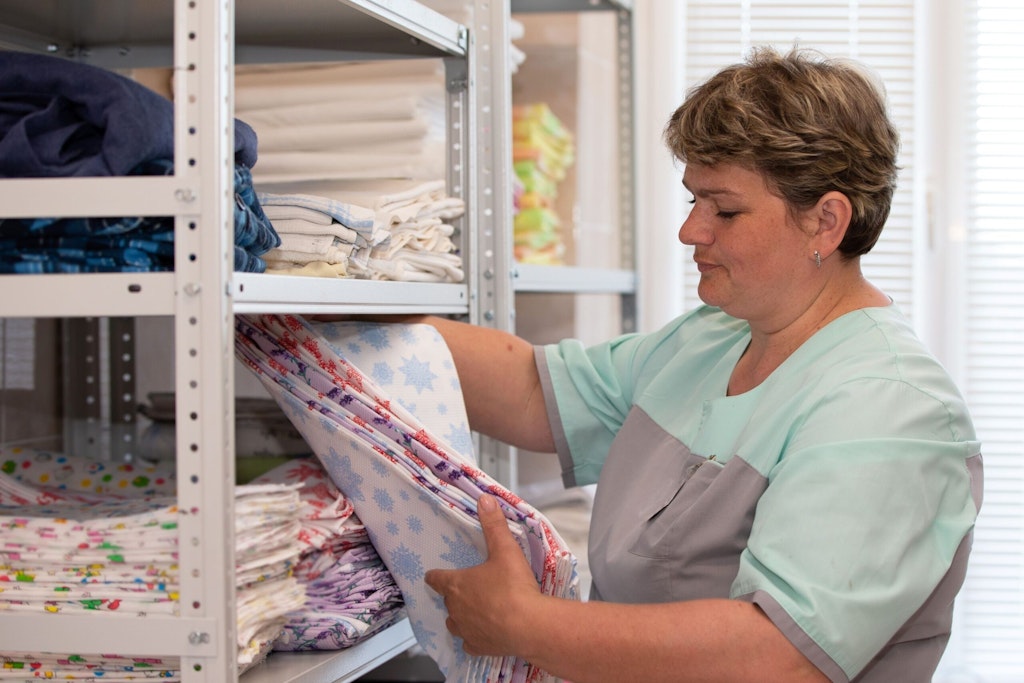
A well-trained team is the backbone of a successful laundry operation. Provide comprehensive training to your staff on the proper use of equipment, laundry procedures, and safety protocols. Emphasise the importance of hygiene and infection control, particularly in the context of aged care facilities where residents may have specific health considerations.
Step 5: Testing and quality assurance
Before officially opening your aged care laundry, conduct thorough testing of the entire system. Verify that each step in the laundry process meets the quality standards set for the facility. Implement rigorous quality assurance protocols to ensure consistent and reliable results.
In conclusion
Every stage in the process is as important as the last. Laundry Solutions Australia has worked with countless aged care facilities over many years to ensure that this process is as efficient and comprehensive as possible to ensure the best possible outcomes.
We have specialised and custom tools to assist our expert account managers with working out the required capacity for your laundry and to also bring to life a complete 3D design of the laundry space. Additionally, we will also do staff training to ensure your staff understand how to use the equipment effectively and efficiently.


