
The home care sector has experienced plenty of upheaval over the last 12-18 months as councils across the country announced their departure due to incoming home care reforms. Victoria’s Moyne Shire Council has bucked the trend, however, supporting its residents with ongoing aged care services.
Key points
- Moyne Shire Council is located in western Victoria, covering approximately 6,500 square kilometres around Warrnambool, a seaside city along the Great Ocean Road
- As a Home Care Packages (HCP) and the Commonwealth Home Support Programme (CHSP) provider, the Support At Home (SAH) rollout strongly influenced their decision to remain in aged care services
- The aged care and disability services review highlighted key areas for service improvement and systems management, plus an increased need for positive ageing services in the community
The decision came after a thorough review of their aged care and disability services, spurred on by the changing nature of the Federal Government’s aged care reforms.
“We intentionally went into the review open-minded in terms of wanting to look at the considerations around viability. There wasn’t intent to either stay in or exit aged care, we maintained a neutral position throughout the review,” Edith Farrell, Director Assets and Community at Moyne Shire Council, told hello leaders.
“We had an extensive consultation process and that was a big factor in informing Council’s decision. The other factors included financial considerations, the quality of our service where it’s currently at and what it might take to optimise that service to ensure we can operate as a viable enterprise going forward.”
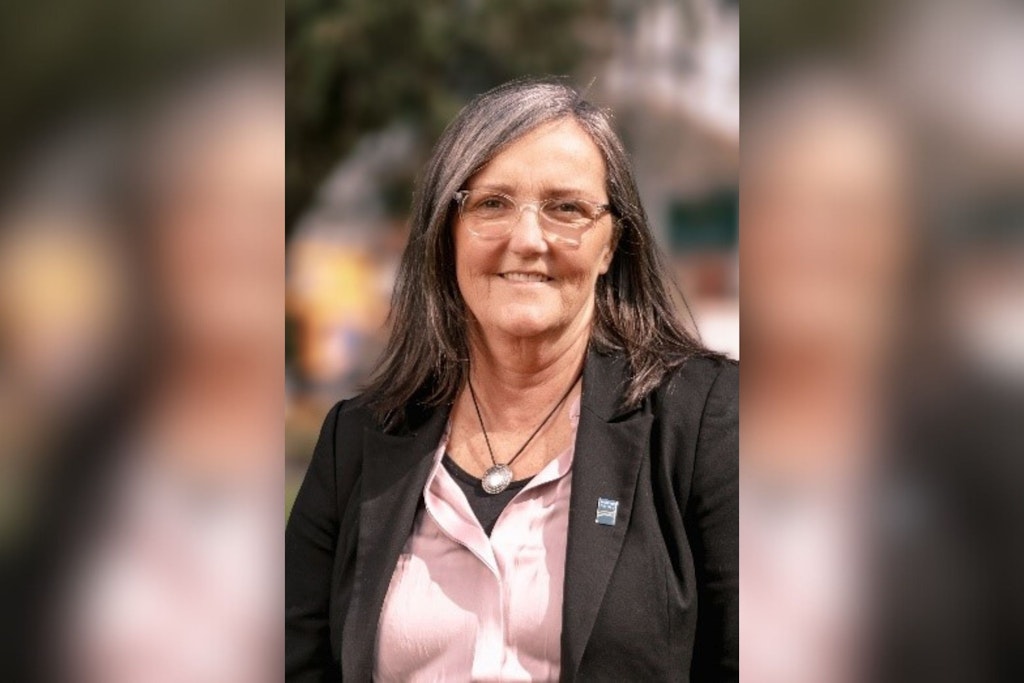
Feedback was essential as it reinforced just how important the Council is for regional home care clients, said Miryam Franjic, Manager Community Services.
“Consultation was critical just to understand what the community wants, particularly for us as a Shire with a large geographic spread and pockets of smaller communities relying on the services we deliver,” she said.
“It was interesting to hear the different challenges clients face as well. Although there were common themes, there were notable differences regarding the services and support they needed and wanted.”
Ultimately, the Council was confident it could remain a viable provider while some uncertainty over who would replace them was also a concern, Ms Farrell said turning a profit truly was not a priority over helping their community.
“From our perspective, Council’s not in the money-making business. So they were weighing up how our community valued Council as a trusted aged care service provider with the fact we were acknowledged to be a thin market,” she explained.
“There was also councillor concern about the impact on our 20 community care staff of which many are long-term employees. If we had exited there would be new providers coming in and there are options to secure future work with them, but the impact on staff was still a consideration for our Council.”
Looking ahead: Improvements and positive ageing
With certainty over their service provision, Ms Franjic said the opportunity to recruit for permanent positions – rather than temporary ones – is a welcomed change.

“We’re not immune to the workforce pressures and we know that our future work involves us looking at how we strengthen our workforce. But in saying that, our existing workforce is feeling valued and recognised by Council,” said Ms Franjic.
In addition, the Council now has the opportunity to plan for its future service delivery. This includes the creation of a roadmap covering the optimisation of current operations and the potential for streamlining services such as meal delivery or gardening that could be provided by others.
“They may be services in a flooded market where other options are available. We haven’t made any decision yet but we will look at that when evaluating our model of operation,” said Ms Farrell.
Meanwhile, positive client feedback resulted in an additional avenue of investigation for Moyne Shire Council: understanding how they can be more involved in positive ageing within the community.
There is a growing focus on ageing at home, but many residents also want to remain socially connected and active while doing so. This kind of support falls outside of aged care service delivery but it will be a key element for consideration over the coming months.
“It’s a very early conversation but it’s important. Our focus has been on service delivery and now that the review is completed and the decision to remain in aged care has been made, we can get future-focused and not lose sight of the strategic component around positive ageing,” added Ms Franjic.


