This article was written by Frank Price, CEO Royal Freemasons’ Benevolent Institution (RFBI)
In its efforts to overcome ongoing workforce challenges, RFBI has expanded its recruitment strategy both locally and internationally. The organisation’s commitment is reflected not only in local recruitment initiatives but also in the successful implementation of overseas recruitment programs, resulting in the integration of Internationally Qualified Nurses (IQNs) into its workforce.
The addition of 112 internationally qualified nurses from various countries has enriched the diversity of skills and experiences within RFBI’s teams. This infusion of talent has notably elevated the quality of care provided to residents across its villages, with a further 70 IQNs expected to join by July.
Frank Price, CEO at RFBI, emphasised the pivotal role of a skilled and diverse workforce in delivering care to residents. He stated, “The inclusion of internationally qualified nurses has proven to be a valuable asset to our organisation, bringing a wide diversity of skills and experience from their respective countries but is also committed to fostering the professional development of IQNs.”
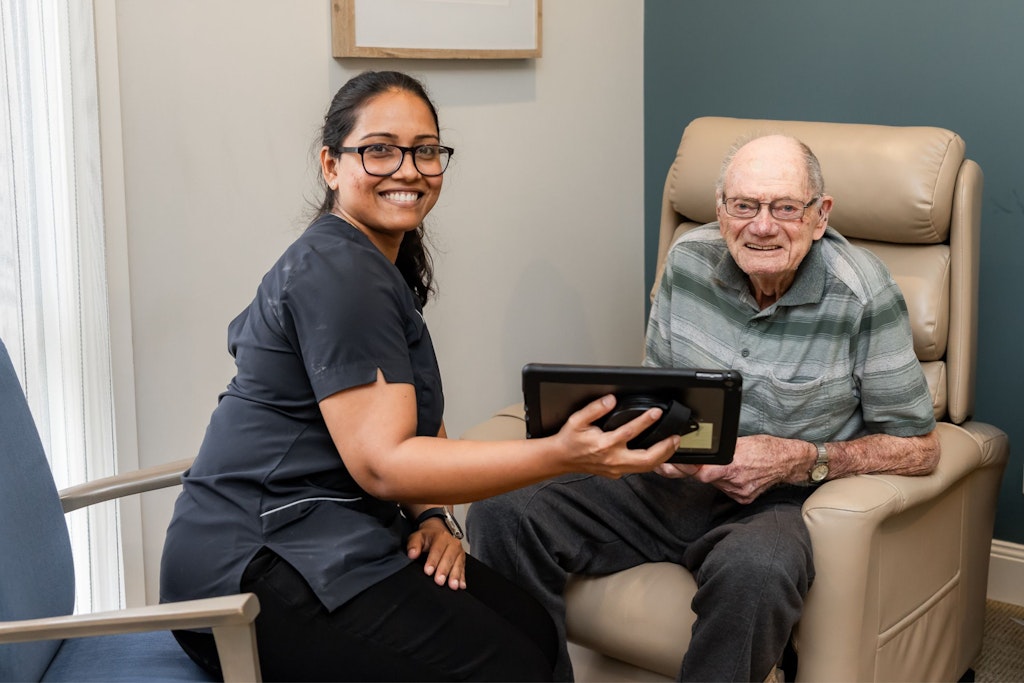
Through its scholarship program, RFBI is actively providing support for these nurses to become Registered Nurses (RNs) in Australia, contributing to the elevation of healthcare standards.
RFBI not only prioritises recruiting international talent but is also committed to fostering the professional development of IQNs. Through its scholarship program, RFBI is actively providing support for these nurses to become Registered Nurses (RNs) in Australia, contributing to the elevation of healthcare standards.
Frank Price further expressed the organisation’s belief in investing in the growth and development of all staff.
“By offering specific scholarships to our IQNs, we aim to empower them to achieve their full potential as Registered Nurses, contributing to the high standards of care that RFBI is known for.”
Ishaka, an IQN from Sri Lanka, shared her gratitude for RFBI’s support in her RN journey, highlighting the organisation’s genuine commitment to her professional growth.
RFBI acknowledges the role played by partners Key 2 Learning and Anania CQ Limited in the success of overseas recruitment programs. These partners have demonstrated unwavering commitment and dedication in sourcing highly qualified and skilled internationally qualified nurses, making a significant impact on RFBI’s workforce expansion.
With these strategic initiatives and partnerships, RFBI continues to lead the way in addressing workforce challenges, ensuring that elderly residents in their care receive the highest quality of service and attention.


