Food in aged care is far more than just sustenance; it’s a vehicle for comfort, connection, and clinical wellbeing. Yet, despite being at the centre of daily resident life, aged care chefs have historically operated without a platform to speak on industry challenges.
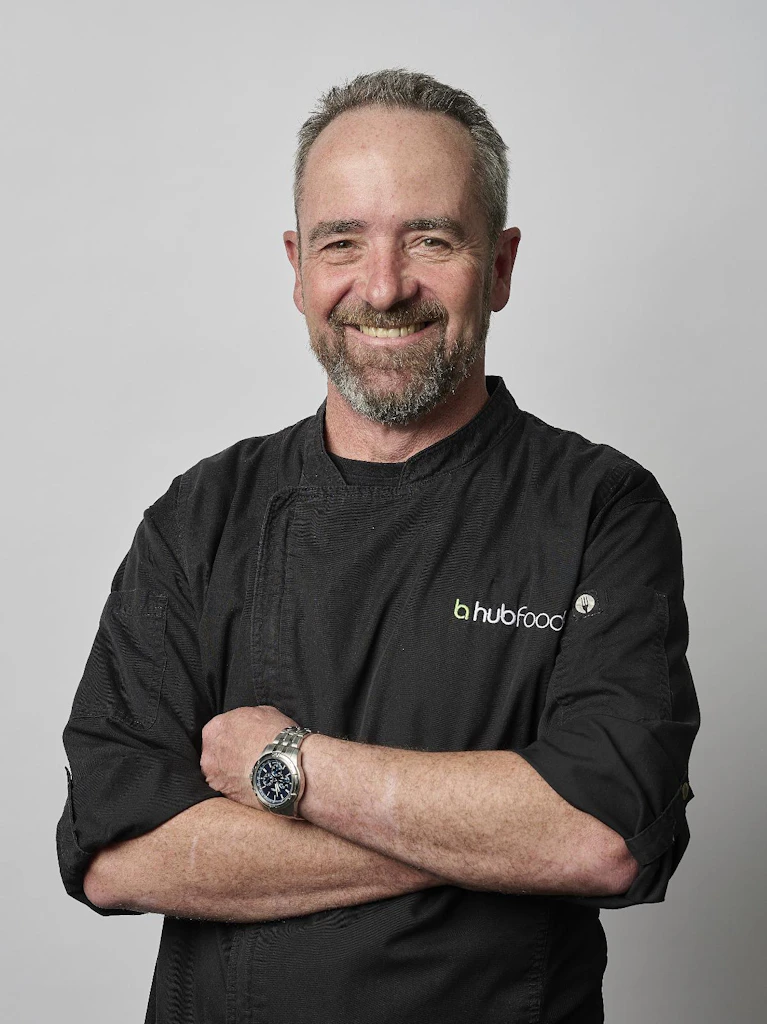
Hoping to bridge this gap, Lindsey O’Grady – a veteran chef with 40 years of hospitality experience and a New South Wales representative for the Australian Institute of Technical Chefs – recently launched the 2026 Kitchen Pulse Survey.
O’Grady spoke with Hello Leaders to share what inspired the initiative, the illuminating realities hidden inside the data, and how bridging the sector’s “communication gap” can unlock better dining experiences across the country.
Driving the conversation: Why now?
The initial spark for the survey came after an industry committee meeting ran significantly overtime. It became clear that while aged care food has faced intense public and media scrutiny over the last five years, the perspectives of the individuals preparing those meals were continuously left out of the narrative.
“[Aged care] chefs haven’t really had a voice,” O’Grady explains. “I think that our aged care chefs get devalued across the industry. What I know is that it’s a much more complex role than it gets credit for.”
Seeking answers directly from the source, O’Grady pushed out a brief, anonymous 3-to-4-minute questionnaire on LinkedIn, giving chefs a rare opportunity to comment freely on their daily pressures.
Looking for a seat at the table
While expected responses regarding standard budget constraints and wage pressures appeared, the survey illuminated a deeper desire among culinary teams for structural integration. Specifically, chefs expressed a strong desire to influence the environment where their food is served.
“What consistently came back was things like… we want to have a voice in how the dining rooms are run and there to be a seat at the table when those decisions are made,” says O’Grady. “We don’t want to run the dining rooms. We don’t want to lord over them. But we want a seat at the table because dining rooms are part and parcel with being a chef. That’s our bread and butter.”
O’Grady notes that improving meal quality requires reversing how the industry approaches system changes: “If we give them all the tools – the right budgets, the right staffing, the right training, the right equipment, the right support – then that change we wanted to see on the plate in the first place will be there, not the other way around. We always focus on all these other decisions in different silos in aged care, but we don’t actually focus on the chefs, the people that are doing the work.”
Rethinking kitchen staff as clinical, not just support
One of the core systemic obstacles holding the sector back is how culinary teams are categorised and compensated. O’Grady points out a stark operational reality: catering assistants are often paid roughly $3 less per hour than Assistants in Nursing (AINs), creating an immediate retention issue once kitchen staff are trained.
“Food is clinical… we don’t view that staff as essential and clinical, we view them as support,” he explains. “If you want to see the real change and the real care and the real attention to detail, then we have to uplift those [kitchen] teams to the level that they deserve.”
The communication gap
The data also exposed a major communication disconnect between care teams and kitchen staff on-site. 62% of chefs said that communication between kitchen and care teams heavily shapes and impacts the resident dining experience.
“We work in pillars – from our allied partners through to our chefs and right up to our boardrooms. We all make decisions in pillars,” O’Grady warns. This lack of connection hinders career development, leaving no designated leadership or mentoring pathways for incoming chefs.
Despite these structural hurdles, the passion among workers remains remarkably high. An encouraging 94% of survey respondents stated they would recommend aged care as a career choice, though 40% did so with distinct reservations.
How leaders support this survey
Already, proactive facility leaders have begun using the emailed survey results to host internal meetings with their kitchen and care staff to evaluate on-the-ground changes. And for executives and operators looking to support the movement, O’Grady keeps the advice simple: break down the pillars and be part of the dialogue.
“I’m not looking for an uplift for me. I’m looking for an uplift for the industry, because if we want to make the changes that we need, then we have to start with the people doing the actual cooking.”
To learn more about the survey and see the results, follow Lindsey O’Grady.


