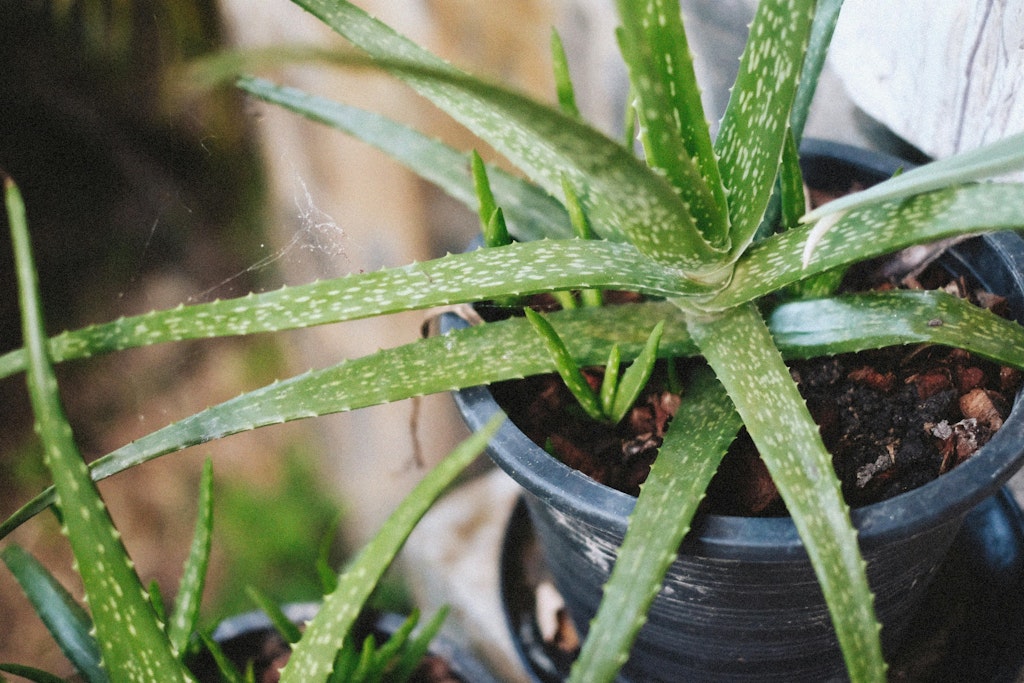
A group of scientists have discovered encouraging clues that compounds within the plant Aloe vera may be key to combating Alzheimer’s disease. Utilising world-best software modeling, these researchers uncovered that beta-sitosterol, a naturally existing plant compound, powerfully engages with two core enzymes linked to memory loss and cognitive deterioration. Diving into the reaction and activity of the compound in the brain, the group found that the compound showed reliable stability, durable binding and beneficial safety indicators, which points to an encouraging opportunity to tackle cognitive decline. Researchers indicate that there is now a further focused direction of development that can be followed by teams around the world for continued drug development, testing and eventually, lives irrevocably changed for the better.
Innovative thinking
While well known for its properties in treating skin conditions, particularly sun-burn, the natural chemicals found with the Aloe vera plant also contain compounds that can positively impact biological activity inside the human body.
Internationally, scientists around the globe maintain a myriad of searches for innovative approaches to managing Alzheimer’s disease (AD). The group of scientists were compelled by the huge need for breakthroughs with cognitive decline and overcoming the immense challenge that this particular decline has and will have for people and nations across the globe. As Australia’s leading cause of death, the need is well felt and acknowledged by aged care leaders and advocates alike.
The positive potency of Aloe’s effects on skin healing have received substantial focus from scientific circles. Within an interest to innovatively think and divert from the norm, a group of researchers considered pursuing grants and funding to change that focus to whether Aloe could have any quantifiable impact in the complexity of human internal organ functioning, especially one of the body’s most complex organs, the brain.
Building on the as yet unverified understanding that Aloe vera had powerful benefits in key parts of the body, namely the memory processes of the brain, the team set about creating a new study of its kind that could track whether the plant could offer new evidence-based opportunities for future brain treatments.
The research
Published in journal Current Pharmaceutical Analysis, the study assessed how particular plant compounds found within the Aloe vera plant engage with specific enzymes central to Alzheimer’s disease. The team constructed complex software research methods to examine whether the compounds would impede the processes involved in the deterioration of brain signaling in people diagnosed with AD.
The team looked at two enzymes especially, acetylcholinesterase (AChE) and butyrylcholinesterase (BChE). These enzymes have been found to detrimentally break down acetylcholine, a chemical messenger that is integral to supporting nerve cells to communicate with each other.
Protecting the messenger
With established research highlighting that acetylcholine levels in those with AD are already lowered, the team understood that the two enzymes could be critical to finding progress to combat the deterioration of memory loss and cognitive decline. They sought to further the options of medications that would hamper the ability of the enzymes to act and attack within the brain, shielding acetylcholine from being weakened and in so doing, aiding brain function and symptoms for many patients.
The study sought to use cutting-edge approaches, the team created silico methods, through creating software models rather than real-world studies. This allowed the team to move into the frontier of research in this area of brain research, predicting how molecules would behave inside the body, and substantiate the move to real-world testing and higher clinical budgets needed.
Mereiem Khedraoui, the lead author of the study shares how optimistic the results were, “our findings suggest that Beta sitosterol, one of the Aloe vera compounds, exhibits significant binding affinities and stability, making it a promising candidate for further drug development.”
Strong binding
Key to the research was assessing whether Aloe vera compounds would strongly attach to AChE and BChE. This key part of the research would come to underpin the efficacy of the use of these compounds. If the molecular docking and dynamics between the aloe components and AChE and BChE was stable, this would mean a viable opportunity to pursue this approach to fight Alzheimer’s with further research.
Of the significant number of Aloe vera compounds tested, Beta sitosterol was the star. For scientists in the know, −8.6 kcal/mol with AChE and −8.7 kcal/mol with BChE is a powerful level of binding affinity. In translating their work for the lay-person, the researchers noted the results mean that Beta sitosterol is the standout in attaching to the enzymes that were breaking down a key messenger of the brain. The stronger the binding level, the higher the effectiveness of slowing down both AChE and BChE damage for the integral messenger.
Khedraeoui notes, “these results highlight the potential of Beta sitosterol as a dual inhibitor, which could be crucial in managing Alzheimer’s disease.”
Safety in the body
Central to the software testing was setting up the real-world trials for clinical and commercial success. The team additionally examined whether the Aloe compounds they were tested would be stable, safe and impactful as ingested medications in the human body.
Using ADMET (Absorption, Distribution, Metabolism, Excretion, and Toxicity) analysis, the team testing assessed how each compound, after entering the body, would disseminate through muscle tissues, how it would dissolve, whether it would be processed out of the body and particularly, if there were any damaging side-effects.
The researchers found that Beta sitosterol yielded encouraging results across the assessed metrics, leading them to believe that it could be ingested and absorbed easily, without any likelihood of toxicity at therapeutic levels.
A co-author of the study, Samir Chtita affirmed, “the comprehensive analysis supports the potential of these compounds as safe and effective therapeutic agents.”
Future work needed
From the encouraging results of their study, the researchers are quick to point tothe opportunity and need of continued research in this space. With the substantial work done in the software modeling, the team hope to see and be involved in further research to bring the study to real-world laboratory settings.
As AD disease continues to impact millions across the globe, sector leaders, scientists, loved-ones and diagnosed are unanimous in the need to internationally collaborate in the laboratory experiments and clinical trials to confirm breakthroughs in Alzheimer related studies. From the work the current team has proven, the opportunity remains for the wider community to assess the real-world effectiveness and safety of Beta sitosterol, from government actors to private and non-profit players. All must lean in with committed funding and policy.
Each step forward remains a piece in the progress towards tackling the cruel reality of cognitive decline. Scientists and advocates who have welcomed this study’s inch forward share that while still a component, it is part of building a foundation for future research and breakthroughs in plant-based evidenced therapies for Alzheimer’s disease.
Khedraoui shares, “our in silico approach offers a promising direction for the development of novel treatments for Alzheimer’s disease.”


