The Government’s ongoing reform plan to strengthen support for First Nations people accessing aged care services is entering an important stage following the appointment of an Interim First Nations Aged Care Commissioner. And now, she is seeking feedback about the system and reforms to ensure positive changes continue to be introduced.
Key points
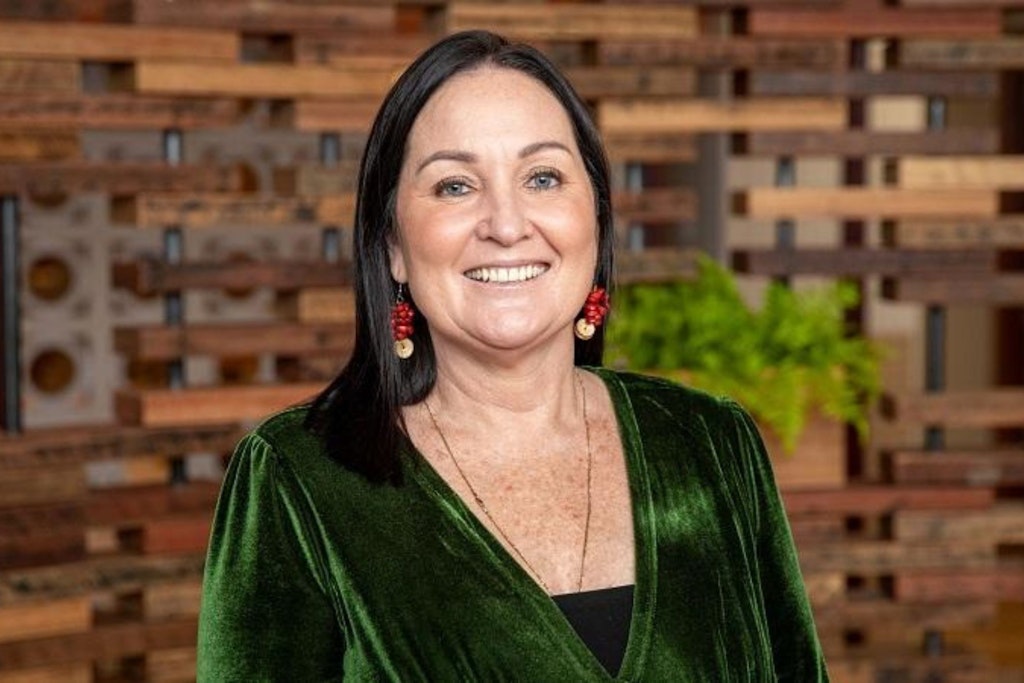
- Andrea Kelly was announced as the inaugural Interim First Nations Aged Care Commissioner last December, following a 30-year career in the Australian Public Service
- Rates of aged care use are higher for First Nations people than for non-Indigenous Australians across all aged groups and care types
- Ms Kelly will focus on leading public consultations to coordinate the design and functions of the permanent Commissioner while also contributing to necessary changes that would improve aged care for First Nations people
- As part of this, she is seeking feedback from First Nations older people, families, communities, and stakeholders over the next two months
When the Royal Commission into Aged Care Quality and Safety handed down its final report and recommendations, Chapter 7 featured seven recommendations focused on improving aged care for First Nations people (Aboriginal and Torres Strait Islander People).
These recommendations included appointing a First Nations Aged Care Commissioner, prioritising First Nations organisations as aged care providers and introducing processes promoting cultural safety.
Three years later, and following Ms Kelly’s appointment, she is spearheading the next stage of reforms.
“As Interim Commissioner I want to hear your thoughts and ideas about how we can make sure older First Nations people can access culturally safe and high quality aged care where and when they need it,” she said.
“I’m honoured to be given this opportunity and lead this important work. There is a lot of work already underway across the aged care reforms.”
The Interim Commissioner is seeking feedback from older First Nations people, families and communities about:
- The aged care system
- Current and future aged care reforms
- The design, functions and authority of a permanent Commissioner
Additionally, Ms Kelly has proposed two key questions:
- What changes are required to enable culturally safe, trauma-aware and healing-informed access to the aged care system for older First Nations people, carers, families and communities?
- Should there be a permanent, statutory First Nations Aged Care Commissioner? If so, what should their functions and authority be?
These insights are of incredible importance to First Nations people accessing aged care, and their communities, as rates of use are higher than non-Indigenous Australians. The rate and number of First Nations people aged over 65 using residential aged care services has also increased since 2018.
However, there are still many barriers preventing First Nations people from accessing aged care services, meaning that now is the time for additional focus on culturally safe care.
Australians have until 5pm AEDT on May 17 to provide a formal submission, letter, email, voice recording or video to the Interim First Nations Aged Care Commissioner. More information on how to provide feedback is available on the Department of Health and Aged Care’s website.


