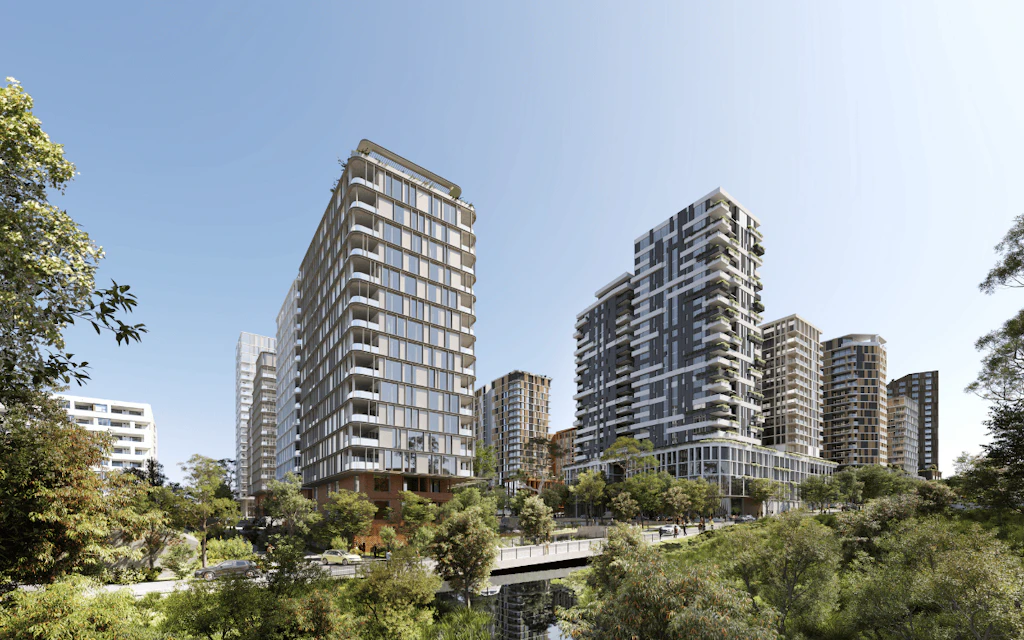
A major intergenerational precinct in Sydney’s north has been given the green light, with BaptistCare securing approval for its long-planned Macquarie Park master development.
The State Significant Development approval marks the next phase of a project that has been in planning since 2020, bringing together aged care, seniors housing, affordable housing and student accommodation on a single site.
Beyond the scale, it signals something broader. The idea of intergenerational living is shifting from aspiration to delivery.
At full build, the precinct is expected to support between 3,000 and 4,000 residents across multiple housing types, including around 600 seniors housing places and residential aged care beds . It will also include approximately 950 apartments, student accommodation and a publicly accessible one-hectare park.
For a sector used to operating in silos, this kind of model is becoming harder to ignore.
Aged care has traditionally sat apart. This brings it into a broader living environment, one that reflects how people actually move through different stages of life rather than separating them by need.
The development has been positioned as a response to several overlapping pressures in Sydney, from affordable housing shortages to the growing demand for aged care and seniors living, alongside the need for student accommodation and accessible green space .
Urban density is rising, land is constrained, and the idea that older people should live separately from the rest of the community is becoming harder to justify.
“The community, council and Department shaped this with us, and that shows in the result. This is what thoughtful, well-located density looks like,” said BaptistCare’s Chief Property and Development Officer David Cowdrey.
That idea of “thoughtful density” sits at the centre of the model. Not just fitting more people into a site, but designing how those people live alongside each other.
BaptistCare CEO Charles Moore described the approval as “a demonstration of what happens when you hold firm to a vision, listen deeply to your community, and have a determination to persist.”
That vision centres on creating a connected, intergenerational community rather than a traditional care setting.
It’s a model the sector has been talking about for years. What’s different here is the scale and the level of integration. Student housing alongside aged care. Independent living next to higher care. Shared spaces designed for everyone.
On paper, it makes sense.
In practice, it raises a more interesting question. What does meaningful interaction across those groups actually look like once the doors open?
“Each piece of feedback we received through the consultation process was essential to creating the plan we have today. The approved design is better for it, and the community should feel proud that their ideas and voice have been central to the final plan,” Moore said.
The $2.5 billion development will be delivered in stages, with no immediate changes for current residents or staff as planning progresses. It is expected to support around 1,900 construction jobs annually and approximately 1,550 ongoing roles once operational.
There’s a tendency to see projects like this as one-offs. They’re not.
They point to a shift in how care, housing and community are being designed to sit together. Less separation, more integration. Less focus on facilities, more on place.
“The integration of affordable housing, seniors living, aged care, co-living, market housing, retail and a publicly accessible one-hectare park sets a new standard for site renewal and high-density precinct creation with a social purpose,” said Daniel West, Director of Planning at Colliers Urban Planning.
That shift comes with its own challenges.
Intergenerational living is easy to design. It’s much harder to make real in day-to-day life, where competing needs, different lifestyles and operational pressures collide.
This approval doesn’t just add beds or apartments. It pushes the sector further toward a model where care is part of a wider ecosystem, not something that sits on its own.


