Image: Hilary Wardhaugh/Getty Images
Since November 2025, the Integrated Assessment Tool has set how much funded care older Australians receive at home. Assessors still complete clinical and functional assessments, but they can’t change the funding outcome the tool produces.
On Thursday, 2 July, the Senate voted to change that.
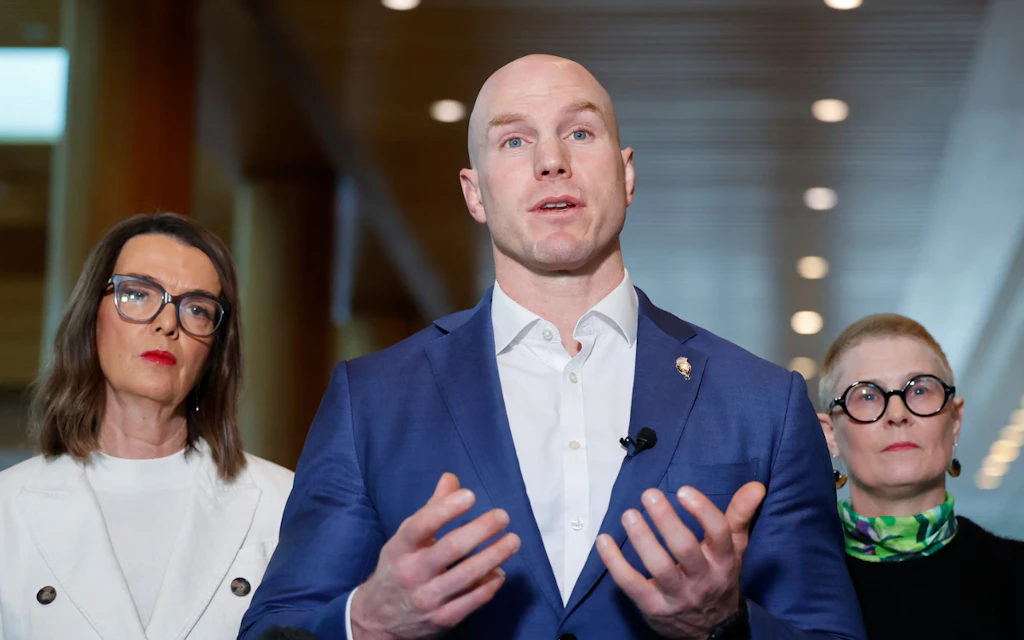
A Coalition private member’s bill restoring the assessor override passed the upper house, with support from the Greens, independent David Pocock and One Nation. The Government opposed it. It now moves to the House of Representatives, where its future is uncertain.
The vote came the same day the Government outlined its own oversight approach. Under that model, complex cases can be escalated to a System Governor where the outcome is assessed as incorrect.
How assessment decisions are made
The Integrated Assessment Tool sits within the Support at Home assessment process introduced under the Aged Care Act 2024. What changed in November 2025 wasn’t the tool itself, but its role in final decisions.
Assessors still complete clinical assessments. They enter information into the IAT, which sets the funding classification.
The aim is consistency across assessments, and has reduced assessor discretion at the point of decision.
That change has raised concerns among providers and sector bodies.
The governance gap
The Commonwealth makes funding decisions. Providers don’t control them but remain responsible for safe and appropriate care under Aged Care Quality Standards.
As outgoing Inspector-General of Aged Care, Natalie Siegel-Brown, told a Senate inquiry, aged care is unusual because clinical judgement shapes what goes into the system, but not what comes out.
When funding does not match assessed need, providers support clients through reassessment requests or complaints to the Aged Care Quality and Safety Commission. They cannot change the original decision.
In practice, providers are identifying where funding does not match need, supporting clients through review, and preparing documentation for reassessment.
Ageing Australia, which says it provided more than 150 examples of system issues to the government, has welcomed the System Governor escalation pathway.
“When dealing with the complex needs of older people, it’s important that a machine or algorithm doesn’t have the final say on how much support they receive,” Chief Executive Tom Symondson said.
“It’s people making decisions about people.”
Why the Senate intervened
The private member’s bill would restore assessor override, require clearer explanation of how the Integrated Assessment Tool informs decisions, and allow reassessment for people assessed since November 2025.
Introducing the bill, Senator Anne Ruston said the Government had spent months saying the system was working while ignoring concerns from families.
“Then, in the same week it appeared before Senate Estimates unable to explain how the tool was validated, it announced a carve-out for MND patients and introduced what the sector has called a band-aid workaround,” she said.
“You cannot have it both ways. Either the IAT works or it doesn’t. The Government has now shown, through its own actions, that it doesn’t.”
Her office cites a rise in review requests since the tool became binding – from 170 in the year prior to 834 in the five months after rollout. These figures have not been independently verified.
The Government says the IAT has improved consistency and reduced assessment wait times. Instead of restoring the assessor override, it has introduced a System Governor pathway for cases where the tool does not reflect a person’s circumstances.
The increase in review activity is being read by providers and sector bodies as a sign of pressure on the system, with more cases needing escalation or reassessment than expected.
The bill has passed the Senate but still needs approval from the House of Representatives. With Government opposition in place, its passage remains uncertain.
What providers need to prepare for
Providers need clear ownership of escalation pathways, including when to use the System Governor process and what evidence is needed.
When an assessment outcome does not match clinical need, providers are identifying the issue, supporting the client through review, and preparing reassessment documentation.
Documentation now carries more weight where funded care does not match assessed need. These records matter for compliance and risk management.
Frontline teams need clear guidance on reassessment rights so clients and families are given accurate information and supported through the correct process.
For boards, this is now a live governance issue. Funding design, regulatory responsibility, and care delivery sit in different parts of the system.


