
A purpose-built $18 million memory support unit is set to transform dementia care in Wellington, New South Wales, thanks to a thoughtful partnership between Maranatha House and Coverite Projects.
The new 30-bed facility will provide specialist care for residents living with cognitive impairment in a regional community where demand for high-quality dementia support continues to grow.
Currently in the development design stage, the project is being delivered by Coverite Projects under a full design-and-construct model. The company also played a key role in securing grant funding to make the vision a reality.
What sets this development apart is its strong focus on dementia-informed design. Drawing on the National Aged Care Design Principles and Guidelines, the Coverite Projects team has created an environment that prioritises legibility, familiarity and independence for every resident.
Dementia-informed principles are about designing spaces that reduce confusion and support daily life. This includes using recognisable layouts and personal touches that feel like home, clear and intuitive wayfinding that helps residents navigate confidently, and features that empower people to move about safely and maintain their independence for as long as possible.
“Thoughtfully designed environments can significantly improve daily life for residents, families and care teams,” said Megan Eiman, Design Manager and Registered Architect at Coverite Projects.
“Designing for people living with dementia requires us to slow down, listen carefully and challenge long-held assumptions about what aged care environments should look like.”
The design includes personalised room entrances featuring memory boxes, wide, naturally lit corridors and intuitive layouts that help residents navigate with confidence. Secure garden spaces encourage safe movement and connection to nature, fostering a calm, recognisable setting that feels more like home than an institution.
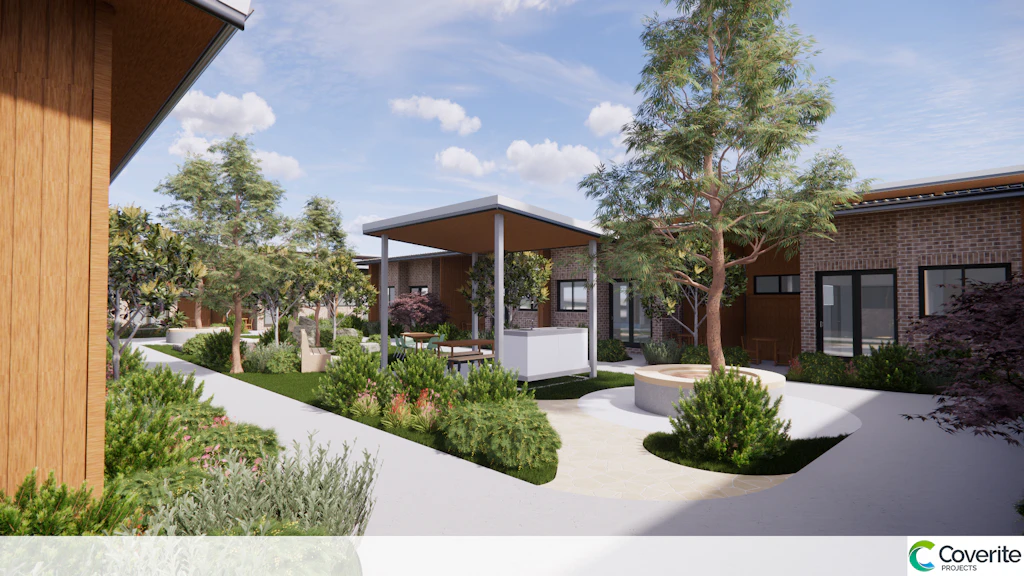
As Australian aged care providers respond to rising demand for specialist dementia care, the design of these environments is increasingly seen as a critical factor in supporting resident wellbeing, independence and dignity.
Aejaz Adil, CEO of Maranatha House, said regional communities such as Wellington are experiencing a clear need for local, specialised care options.
“Our goal is to create an environment where residents living with dementia can feel safe, supported and at home, while also giving families confidence that their loved ones are receiving the right level of care,” he said.
Mr Adil added that Coverite Projects’ expertise in dementia-informed design aligns closely with Maranatha House’s vision.
“We are pleased to be working with them on the design and delivery of the Memory Support Unit. Their understanding helps create a calm, familiar and dignified environment for residents.”
Coverite Projects operates as a design-led builder with a multidisciplinary team that brings together architecture, design, project management and construction expertise. This integrated approach allows the company to work closely with aged care providers from early feasibility and concept stages through to construction and handover.
“Aged care leaders are navigating complex regulatory frameworks while continuing to operate live environments for residents and families,” Ms Eiman said.
“Our integrated design and construction approach helps simplify that process while ensuring environments genuinely support care.”
She emphasised that even small design decisions can make a profound difference.
“Small design decisions can have a real impact, creating environments that feel homelike rather than institutional,” she said.
To learn more about how Coverite Projects is delivering dementia-informed design in aged care, visit their website and get in touch with the team.


